















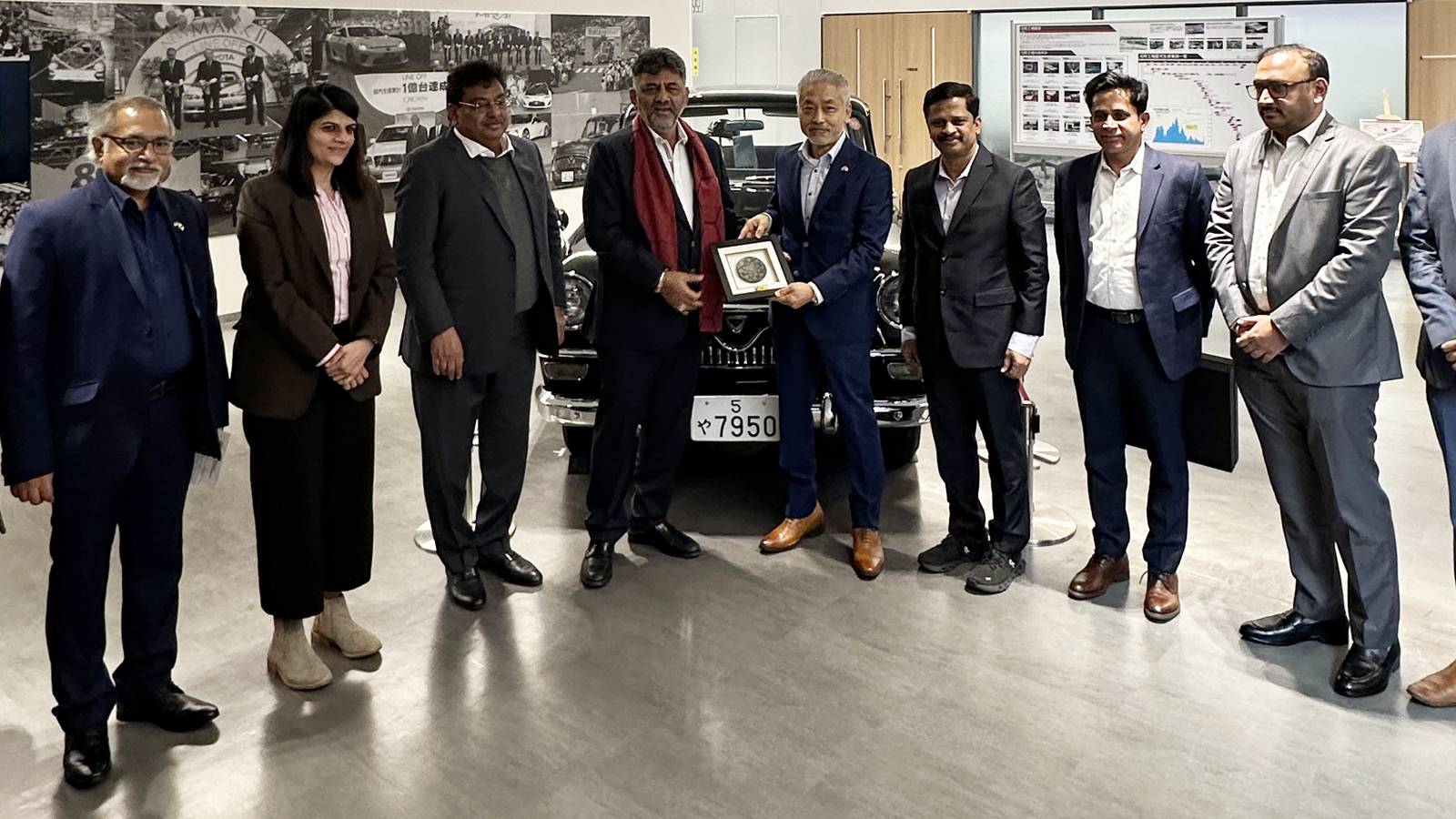
The long-standing relationship between Karnataka and Toyota just got a fresh boost. The Hon’ble Chief Minister of Karnataka, Shri. D.K. Shivakumar, along with the Hon’ble Industry Minister, Shri. M.B. Patil, and senior officials from the Government of Karnataka, visited Toyota Motor Corporation in Japan. The high-level trip was aimed at further strengthening the bond between the state and the Japanese auto giant.
Inside Toyota’s Manufacturing, Tech, and People Focus
During their time in Japan, the Karnataka delegation got a close look at Toyota’s advanced manufacturing setups and emerging technologies. The visit gave the team first-hand insights into how the automaker approaches innovation, quality, sustainability, and future mobility.
Beyond the machines and tech, the delegation also spent time interacting with Indian production associates and engineers who are currently undergoing training in Japan. This interaction underscored Toyota’s ongoing focus on people development, building skills, and strengthening local capabilities.
Key Discussions with Toyota’s Senior Leadership
As part of the visit, the Chief Minister sat down for discussions with Toyota’s top leadership. Present at the meeting were Masakazu Yoshimura, Regional CEO; G. Shankara, Chief Strategy Officer; Ramesh Rao, Vice President; and Kiran HJ, General Manager, External Affairs, along with other senior representatives from the company.
CM D.K. Shivakumar praised Toyota’s contributions to India—and Karnataka in particular—highlighting the company’s role in bringing in investments, creating jobs, driving skill development, advancing technology, and building a solid manufacturing ecosystem. He encouraged Toyota to keep expanding its footprint and contribution to the state, while reaffirming that the Government of Karnataka remains fully committed to offering a supportive environment for future investments, industrial growth, employment, and people development.
What Toyota Leadership Had to Say
Expressing gratitude for the state government’s steady backing, Masakazu Yoshimura, Regional CEO of Toyota Motor Corporation, noted that Karnataka has played a crucial role in Toyota’s growth story in India. He highlighted that the partnership is built on shared goals of industrial development, innovation, and economic progress, adding that Toyota remains committed to working closely with the Government of Karnataka to build long-term value and support the state’s continued growth.
Echoing a similar sentiment, G. Shankara, Chief Strategy Officer, pointed out that Toyota’s presence in Karnataka goes well beyond just building vehicles. He emphasized the company’s dedication to nurturing talent, opening up meaningful opportunities, and backing community development through various initiatives. With the state government’s ongoing support, he added, Toyota looks forward to deepening its engagement and contributing to Karnataka’s sustainable development.
Toyota Kirloskar Motor (TKM) Overview: By the Numbers
To put the scale of Toyota’s operations in perspective, here is a quick look at the key figures behind TKM:
| Metric | Details |
| Equity Participation | Toyota Motor Corporation (Japan): 89% | Vikramgeet Investments and Holdings Pvt Ltd (India): 11% |
| Number of Employees | 6,846 |
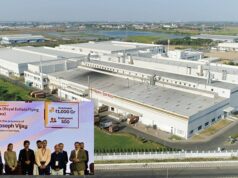
| Land Area | Approx. 432 acres (approx. 1.75 Million sq m) |
| Building Area | 74,000 sq m |
| Total Installed Production Capacity | 3,31,200 units |
My Thoughts
“Seeing Karnataka’s top leadership fly down to Japan to engage directly with Toyota’s global brass is a great sign for India’s automotive ecosystem. With states across India actively competing for big-ticket auto and future mobility investments, proactive moves like this help reinforce investor confidence. More importantly, highlighting Indian engineers training in Japan shows that the real long-term win isn’t just factory output—it’s upskilling local talent for the next generation of mobility.”