


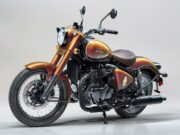



















Walk into any group of motorcycle enthusiasts in India and conversations can quickly move from horsepower and acceleration to something far more subjective: which motorcycle simply looks right. That is where the Triumph Bonneville has always had an advantage. Its proportions, silhouette and unmistakable British character have remained remarkably familiar for more than six decades, even as everything underneath has moved forward.
But there is more to the Bonneville than timeless design. Its very name comes from a place where Triumph was pushing the limits of speed – the Bonneville Salt Flats in Utah.
A Design That Got It Right
When the Bonneville T120 arrived in 1959, it didn’t look like anything else on the road. But it wasn’t complicated either.
A sculpted fuel tank. A parallel-twin engine. Wire-spoke wheels. A clean, balanced silhouette. There was something almost effortless about the way everything came together. That is often the hardest thing to achieve in design.
Over the years, motorcycle design has changed dramatically. Fairings became sharper, tanks more sculpted, exhausts more elaborate and technology increasingly visible. The Bonneville, meanwhile, evolved without losing the proportions and details that made the original so distinctive.
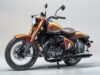
Look at a modern Bonneville alongside the 1959 T120 and the family resemblance is obvious. The OG silhouette has remained remarkably consistent across generations, even as the engineering underneath has moved forward – bringing modern performance, safety and everyday usability.
One Idea, Many Interpretations
The Bonneville’s design has also proved surprisingly versatile.
Over the years, its basic character has been interpreted in different ways. The Bobber pares everything back for a low, muscular stance. The Scrambler gives the formula a more rugged, go-anywhere attitude. The Speedmaster takes it in a relaxed cruiser direction, while the T100 and T120 stay closer to the original roadster.
Different motorcycles, but you can still tell they belong to the same family.
That consistency matters, particularly in India, where the motorcycle has increasingly become an expression of personal taste. Riders today aren’t necessarily looking for the fastest machine they can buy. Many want something with character – something that feels considered, looks right and can become part of their lifestyle.
The Bonneville has been doing exactly that for generations. Its story began with riders chasing records across a salt flat. Its design was shaped in an era when motorcycles were becoming symbols of freedom and individuality. More than six decades later, the Bonneville still carries that same spirit, even as the riders, roads and world around it have changed.
The pursuit of speed gave the Bonneville its name, but it is the design that has made it timeless.

















An advice – Reduce the number of Ads on the article. We all need means to survive, I get it. But so many on your face annoying ads made your article impossible to read. Barely was able to scroll down just to leave this comment.
If you have even a remote wish to grow, take this seriously.