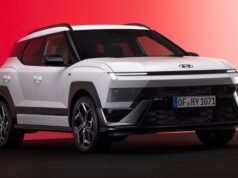





















Hyundai has officially pulled the wraps off the moniker for its forthcoming midsize SUV, confirming it will carry the Bayon nameplate. Slated to slot neatly between the Venue and the Creta, the new crossover takes its name from a picturesque city in the French Basque Country. While European and Central Asian markets are already familiar with a Bayon badge on an i20-derived model, the upcoming Indian iteration is set to be a completely different proposition.
Expected to arrive just in time for this year’s festive season, the new SUV could measure slightly over four metres in length. Much like Maruti’s play in the segment, the arrival gives Hyundai a two-pronged strategy to target India’s booming midsize crossover market.
Distinctive Crossover Styling Inside and Out
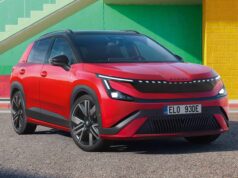
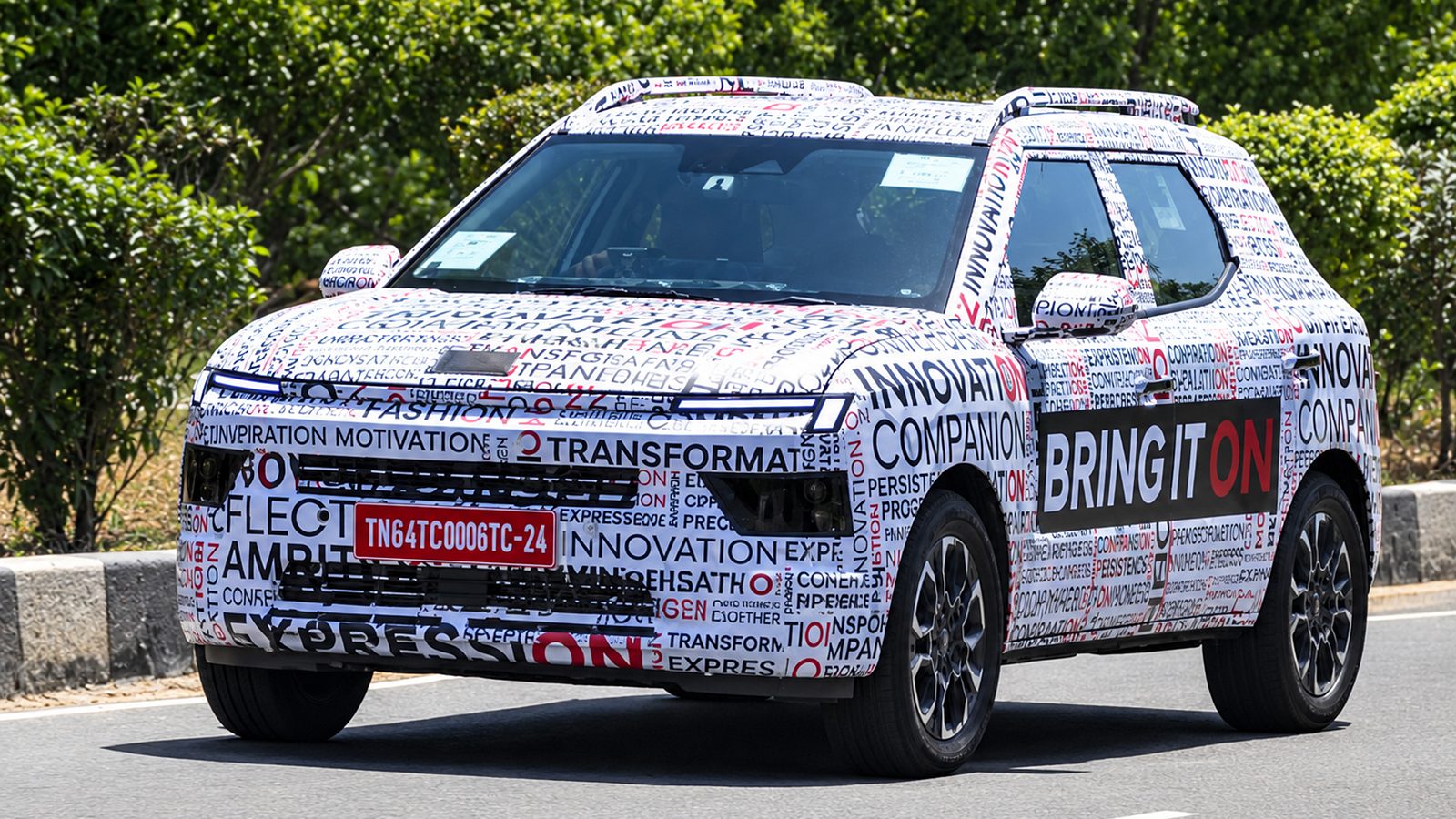
Camouflaged test mules spotted across Indian roads reveal that the Bayon leans into a crossover-like profile rather than a boxy, upright silhouette:
- Front fascia: A split-headlamp arrangement features a full-width LED daytime running light bar running across the top edge. The primary headlamps sit lower on the bumper with styling cues reminiscent of the Verna, complemented by a two-piece air intake that incorporates the number plate mount in the middle.
- Side profile: It showcases a rising beltline marked by a distinct kink at the C-pillar, accompanied by conventional pull-type door handles, practical roof rails, and flared wheel arches akin to the Exter, though notably without excessive body cladding.
- Rear styling: The tailgate echoes the front lighting with a slender full-width LED strip, capped off with an eye-catching roof spoiler.
Inside the cabin, spy shots indicate the India-spec Bayon borrows contemporary kit from the brand’s latest portfolio. The dashboard accommodates a dual-screen layout, which could potentially use the 12.3-inch displays seen in top-spec Venue models. Drivers will also find a dual-tone steering wheel bearing Hyundai’s four-dot Morse code motif (standing for ‘H’). The interior is finished in a clean black-and-white dual-tone palette and promises the usual generous equipment list synonymous with modern Hyundais.
Engine Options and Underpinnings
Under the bonnet, the Bayon differs from the Creta’s broader mechanical range. It is expected to borrow the Creta’s 1.5-litre, four-cylinder naturally aspirated petrol engine, producing 115 bhp and paired with either a six-speed manual or a CVT automatic gearbox.
Additionally, this 1.5-litre unit will be offered with a factory-fitted CNG option—likely featuring an underbody tank layout. This engineering choice would make the Bayon the first Hyundai vehicle measuring over four metres in length to run on CNG power.
Expected Pricing and Positioning
By sitting beneath the Creta, the Bayon aims to attract buyers wanting midsize proportions and features at a more accessible price point. Ex-showroom prices are expected to range from around Rs 9 lakh to Rs 14 lakh, offering a budget-friendly route into Hyundai’s expanding SUV family.