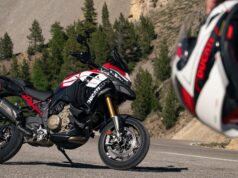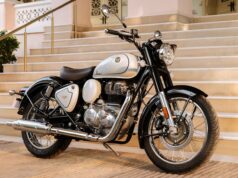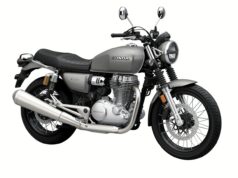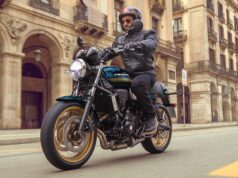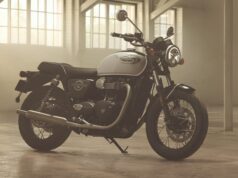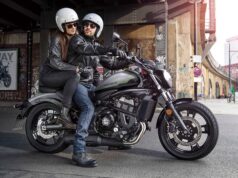





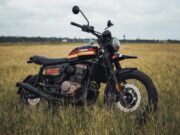
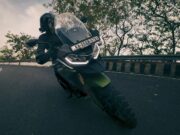
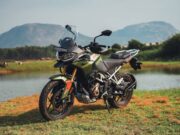


A first motorcycle trip should be modest, well-packed, and brutally honest about rider skill. The point is not to cross half a continent immediately. The point is to learn how the bike behaves after six hours, how your body handles heat and rain, and how quickly small mistakes become expensive when the next town is still far away.
Start With a Route That Forgives Mistakes
The best beginner motorcycle travel route is not the most cinematic one. It is the one with fuel stops, repair options, mobile coverage, and places to stop before fatigue turns into poor judgment. A three-day loop near familiar roads teaches more than a heroic ride through empty terrain.
Keep the first daily distance realistic. For new touring riders, 250–350 km per day is enough, especially with heat, traffic, ferry delays, bad road surfaces, or border-style waiting times. Long-distance riding punishes optimism.
Check the Bike Before You Pack the Dream
A motorcycle touring checklist starts with the machine, not the luggage. NHTSA recommends checking tire pressure and tread depth, brakes, lights, indicators, fluid levels, and possible leaks before riding. That advice sounds basic until a weak rear tire turns a beautiful road into a repair bill.
Do this before every travel day:
- Check tire pressure cold.
- Inspect tread and sidewalls.
- Test front and rear brakes.
- Check headlights, brake lights, and indicators.
- Look under the bike for oil or fuel leaks.
- Secure luggage evenly and adjust pressure for load.
- Carry chain lube if the bike uses a chain.
Cricket Lines and Roadside Downtime
Long rides have pauses that do not look dramatic in travel photos: ferry queues, lunch stops, hotel check-ins, rain delays, and the hour when the sun is too hard to ride comfortably. During those gaps, many sports fans check scores and market movement, especially when cricket runs across long formats and time zones. A careful rider looking at betting sites for cricket should treat it like any other small road habit: controlled, brief, and separated from riding decisions. Cricket betting works better when the user reads toss results, pitch conditions, batting depth, bowling economy, and live odds rather than reacting to one wicket. The same discipline that protects fuel, water, and tire wear should also protect bankroll size.
Pack Less, Pack Better
New riders overpack because they imagine every possible problem. Experienced riders pack for repeat use. One dry base layer, one warm layer, one rain shell, and compact off-bike clothing usually beat a heavy bag full of “maybe” items.
Weight changes the bike. It affects braking, cornering, balance at low speed, and confidence on broken roads. Soft luggage should sit tight, low, and balanced. Hard panniers work well on long tours, but they can add width and punish mistakes in traffic.
The useful kit is boring:
- Earplugs.
- Hydration system or water bottle.
- Compact tire repair kit.
- Basic tools.
- Power bank.
- Paper backup of key documents.
- Spare gloves.
- Light rain layer.
- Small first-aid kit.
Learn Fatigue Before It Learns You
Fatigue on a motorcycle rarely arrives as one big warning. It creeps in through stiff shoulders, slow mirror checks, clumsy clutch work, and late braking. Heat makes it worse. Wind noise makes it worse. Dehydration makes it ugly.
Stop before you feel heroic. A 12-minute break can save the last two hours of a ride. Drink water even when you do not feel thirsty. Use earplugs because wind noise drains concentration faster than most beginners expect.
Apps, Live Odds, and Travel Discipline
Motorcycle travel teaches people to trust tools but not surrender to them. GPS helps, but a rider still reads the sky, the road surface, and fuel range. In the same way, MelBet can be useful for checking cricket markets, live odds, and event statistics from a mobile screen during a safe stop. The practical value sits in speed and structure: match lists, odds movement, and live data appear without forcing the user through a messy browser flow. Good betting behavior mirrors good riding behavior: decide before pressure rises, keep limits visible, and never let one bad call create the next bad call.
Choose Gear for the Fall, Not the Photo
Adventure riding looks better when gear is dirty, but the first job is protection. A full-face helmet, riding jacket, gloves, boots, and abrasion-resistant trousers matter more than luggage style. Off-road sections demand more ankle and shin protection than many road riders expect.
Do not buy boots the week before departure. Break them in. Test gloves in rain. Ride with the jacket fully zipped in heat before trusting it on a long day. Comfort becomes safety after the fifth hour.