












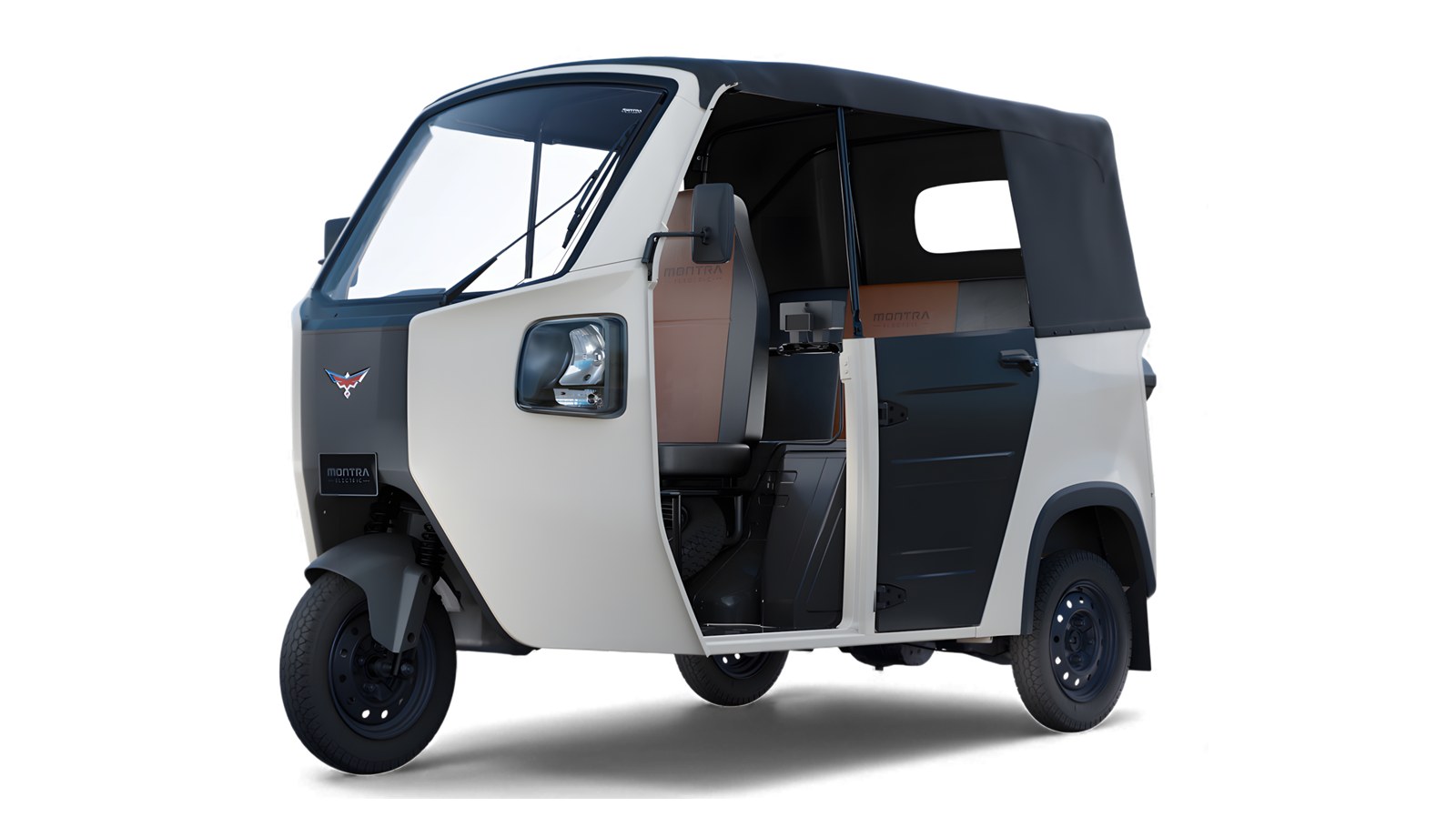
India’s electric vehicle revolution is officially being led by the humble three-wheeler. According to the latest retail data released by the Federation of Automobile Dealers Associations (FADA), electric models accounted for a massive 64.08% of all three-wheeler retail registrations in June 2026. This incredible milestone means the segment has officially entered what experts are calling a “mass adoption phase,” making it the single most successful EV category right across the country.
To put that into perspective, the three-wheeler market has quietly left other vehicle categories in the dust. While passenger electric cars only make up about 7.75% of registrations and electric two-wheelers have only recently nudged past the 10% mark, three-wheelers are absolutely flying. Out of a total of 1.20 lakh three-wheeler units registered in June, the vast majority were completely electric.
Moving From an Alternative Tech to the Mainstream Choice
Ayush Lohia, the CEO of Youdha, believes the industry has reached a massive inflection point. Having been a part of India’s EV landscape since 2008, he remembers when the biggest challenge was simply convincing people that electric mobility could actually work in India. Today, the entire debate has shifted from getting people to adopt the technology to figuring out how to scale it up.
“Crossing 64% penetration is not just another monthly statistic. It marks the point where electric three-wheelers have become the mainstream choice rather than the alternative.” — Ayush Lohia, CEO, Youdha
According to Lohia, this rapid shift hasn’t just been driven by government incentives. Instead, it comes down to pure, hard economics. Commercial drivers make their buying decisions based on daily earnings and operating costs, and electric three-wheelers consistently deliver a much lower total cost of ownership. Once drivers saw a clear economic advantage, natural market demand took over.
The Growth is Spurring in ‘Bharat’ Rather Than Cities
Interestingly, this isn’t just a big-city trend. The FADA data highlights that India’s electric three-wheeler success story is increasingly being written in rural and semi-urban markets rather than metropolitan hubs.
In fact, rural markets accounted for 57.4% of all three-wheeler retail registrations during June 2026. It is a clear sign that EV adoption is spreading deep into Tier-II, Tier-III, and rural areas, a trend that is expected to speed up even more as vehicle availability expands.
What Needs to Happen Next to Cross the 80% Mark?
While customer demand is undeniably there, Lohia cautions that the next big challenge isn’t finding buyers—it’s ensuring ecosystem readiness. To comfortably push electric penetration in this segment past 80% over the next few years, the industry and policymakers need to shift their focus toward a few critical areas:
- Affordable Financing: Providing easier and faster credit approvals for commercial buyers.
- Infrastructure Support: Building out reliable charging setups in smaller towns.
- After-Sales Ecosystem: Creating a stronger, more dependable service network and reliable after-sales support.
With dealers reporting highly optimistic demand ahead of the upcoming festive season, and overall EV retail sales hitting an all-time high in June, the electric three-wheeler is locked in as the strongest pillar of India’s green transport transition.