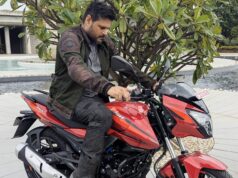



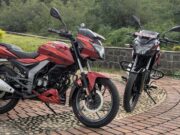






This year, the naked 2025 TVS Apache RTR 310 picks up a handful of smart tech updates and some fresh styling tweaks—plus, it launches with a lower entry price tag, making things even more tempting for value seekers.
Design & Features: Turning Up the Tech, Keeping It Sharp
TVS didn’t mess with the Apache’s edgy streetfighter vibe, but there are a few fresh details to talk about:
- New handguards with aluminum frames for a bit of rugged flair.
- Sequential turn indicators that up the cool factor and road presence.
- Transparent clutch cover like the one found on the RR 310—great for showing off the mechanics.
- Three new color options.
- Keyless start and handlebar lock—but you’ll only find these on one of the optional BTO (Built to Order) packs.
- The 5-inch TFT cluster has improved layouts and cleaner info, but there’s still a slight lag when swapping riding modes.
On the flip side, the cooled seat option is no longer around—it struggled to deliver genuine comfort, so TVS dropped it. Despite minor changes, the Apache RTR 310 still looks aggressive and purposeful, especially with its raked rear seat, slim aluminum subframe, and powerful LED headlamp.
Engine & Performance: Still Punchy, Now Smoother
While the spec sheet numbers haven’t changed, TVS refined the riding experience with some clever electronics:
- Torque filtering: TVS’s ride-by-wire system now watches how quickly you twist the throttle—not just how far. This makes city and even Sport mode riding a lot less jumpy and more chill when needed. It still isn’t as “mechanical” feeling as an old-school throttle, but it’s definitely easier to live with for everyday use.
- Launch control: A new party trick, letting you unleash smooth launches at the line for fun—if not practicality.
- Drag Torque Control: This feature makes aggressive downshifts smoother by letting a bit of fuel into the engine when it senses harsh reverse torque, softening the jerk at the rear wheel. Most riders might not notice it, but it makes a difference if you hammer down three or four gears in a hurry, and you can disable it via the menus.
The 312cc engine (still 35.6 HP and 28.7 Nm) feels lively, with a slightly longer final drive matching the RR 310 and making the gearing less frantic. Vibes in the pegs, seat, and tank are still there, but are much milder compared to 2023 version.
The bi-directional quickshifter deserves a shoutout, too—it’s one of the smoothest in the segment and really makes rapid-fire upshifts and downshifts feel premium and it has been tweaked for even better performance.
Engine Specs (2025 TVS Apache RTR 310)
| Engine | 312.12cc single-cylinder, liquid-cooled |
|---|---|
| Power | 35.6 HP @ 9,700 rpm |
| Torque | 28.7 Nm @ 6,650 rpm |
| Gearbox | 6-speed |
Ride, Handling & Brakes: Sporty Where You Want, Friendly Everywhere Else
Nothing major has changed on the chassis, suspension, brakes, or tyres, so the RTR 310 retains the qualities of its predecessor:
- Ergonomics: A sporty lean to the wide handlebar keeps things fun but doesn’t sacrifice comfort. With an 800 mm seat height, both shorter and taller riders should feel at home.
- On the track: Comfy enough, light and fast-turning, but big pillion seat bumps and the huge TFT make it hard to get really low in a tuck. Still, the bike feels quick and agile, with good stability.
- Suspension: Base version is non-adjustable, but optional BTO kits offer full adjustability—honestly, only hardcore track goers will likely need that.
- Michelin Road 5 tyres: Still come as stock, delivering quick lean-in and impressive grip, even when conditions get sketchy.
- Brakes: They bite a little gently at first, but modulate well with more lever pressure.
- Traction Control: Previously a tad too eager to cut power, but now smarter and more relaxed—track riding is more natural, no need to turn TC off for spirited sessions.
- One minor gripe: like before, you’ll start scraping footpegs earlier than you’d like if you really push hard in corners.

Key Specs (2025 TVS Apache RTR 310)
| Feature | Value |
|---|---|
| Kerb weight | 169 kg |
| Seat height | 800 mm |
| Fuel capacity | 11 L |
| Ground clearance | 180 mm |
| Wheelbase | 1,358 mm |
Pricing & What’s the Catch?
The best news for potential buyers: introductory pricing is ₹10,000 lower than before.
- Base variant (no quickshifter): ₹2.40 lakh (ex-Delhi)
- Top variant: ₹2.57 lakh
- Dynamic Kit (adjustable suspension, TPMS, brass chain): ₹2.75 lakh
- Dynamic Pro Kit (keyless start, cornering ABS, extra electronics): ₹2.85 lakh
- Full bells-and-whistles (Dynamic + Dynamic Pro): ₹3.03 lakh
- Premium paint (Fiery Red: +₹5,000, Sepang Blue: +₹15,000)
This creates an interesting split: the lower variants give fantastic value—beating the KTM 250 Duke on features and performance, and including stuff like cruise control and a top-notch quickshifter. But if you tick all the options and add premium colors, you end up way above a KTM 390 Duke’s price. For that money, the RTR’s tech is cool, but maybe overkill for most real-world riders.
The Apache RTR 310 remains a tech-loaded, head-turning streetfighter with an addictive engine, sharp looks, and now, a more refined ride—all for less cash at the entry level. For those after something unique, packed with features, and fun across the board, it’s easy to recommend.
2025 TVS Apache RTR 310 HD wallpapers