


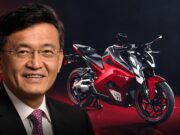










MotoGP is in for a big change: from the 2027 season, all bikes in the MotoGP, Moto2, and Moto3 classes are ditching petrol for good and running exclusively on 100% non-fossil fuels. This is a massive leap toward sustainability, coming after years of behind-the-scenes wrangling between organizers, manufacturers, and major fuel companies. In 2024, the sport introduced fuels with at least 40% non-fossil content, but now they’re going all-in.
So, what does “non-fossil fuel” mean here? The fuel could either be biofuel—derived from renewable sources like plants or waste—or e-fuel, which is an ultra-clean synthetic fuel created by capturing CO2 from the air to remain Carbon neutral. The idea is that burning these fuels releases only the amount of carbon previously captured. No more refining crude oil just to go racing.
MotoGP isn’t taking their word for it either, it will the strictly monitored and enforced. They’re using a scientific trick called the “C14 test” to make sure the fuel is truly non-fossil. This test checks for carbon-14, a type of carbon that’s present in the atmosphere and living things, but almost non-existent in ancient fossil fuels. If the fuel’s C14 level matches the air’s, it’s the real deal.
This change isn’t just a green announcement—it will shake up the sport and influence what’s possible for street bikes and everyday fuels, too. With the spotlight on MotoGP’s innovation, motorsport is once again showing it can lead the global shift to cleaner energy.