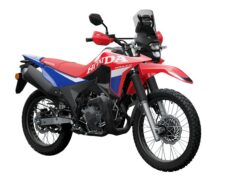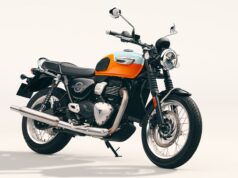





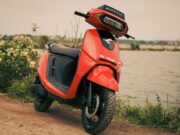

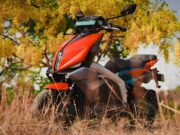









Electric motorcycles are no longer just a niche hobby. They are quickly becoming a popular project for riders who want performance, sustainability, and savings. More DIY builders are moving away from petrol engines and exploring electric conversions. This shift is not only about the cool factor, but also because electric bikes are cleaner, cheaper to run, and provide wide opportunities for customisation.
Building your own electric motorcycle may sound like a major challenge. However, with the right plan and a realistic budget, it is more achievable than ever. The process allows you to create something unique while adding genuine value to every ride. Whether you are a daily commuter or someone seeking weekend adventures, building your own machine brings a strong sense of pride.
Planning the Build: Tools, Materials, and Digital Resources
Before starting any build, proper planning is essential. Rushing into a project like this without a clear roadmap can lead to frustration, wasted money, and overlooked details. It is always best to begin with a well-defined vision, thorough research, and a complete understanding of the tools and materials required.
The plans include a detailed list of tools and materials, along with SketchUp files that make the design process easier to visualise. These resources provide a solid head start and remove much of the uncertainty involved in the early stages.
For those inspired by James Biggar’s practical approach to building electric motorcycles, sourcing quality components is critical to performance and reliability. Having access to trustworthy ktm parts online is particularly helpful if you are constructing a bike from scratch or modifying an existing model.
A wide range of genuine KTM parts is available for purchase, which makes it easier for DIY builders and enthusiasts to find exactly what they need for their projects. In the planning stage, every choice matters, from the frame you modify to the bolts you select. Careful preparation saves time, reduces costs, and prevents unnecessary setbacks later on.
Choosing the Right Donor Bike
Selecting the right donor bike is the foundation of any successful electric conversion. A good base is not about extra features or visual appeal. What matters most is structural strength and compatibility. A solid steel or aluminium frame, ideally from a sport or standard bike, gives you the stability and space needed for mounting batteries and motor components without making the design feel cramped.
From a cost perspective, purchasing a bike with a non-functioning engine or transmission can save significant money. Since the conversion focuses on the core frame and chassis, the existing powertrain is less important. However, you should always prioritise safety. Look for a donor bike with disc brakes, as these are essential once additional weight and speed are introduced.
Frame layout is equally important. A design with sufficient triangle space allows easier battery placement. Always confirm that the bottom bracket and overall geometry are compatible with the electric system you plan to install.
Selecting the Electric Powertrain
The powertrain consists of three main components: the motor, the controller, and the battery pack.
Think of the motor as the bike’s heart. It must provide enough power for your intended style of riding, whether that involves city commuting or off-road exploration. The controller operates like the nervous system, managing power flow so that the motor runs smoothly and efficiently.
When working on a budget, balance is essential. Pairing a powerful motor with a weak controller will limit performance and may cause overheating. Instead, ensure that the motor and controller ratings are well matched. Likewise, select a battery that delivers the necessary current without being overbuilt, since excessive size adds cost and weight. For example, a controller rated for 20 A should be paired with a battery that supports that output. This ensures efficiency without overspending.
Always focus on compatibility rather than simply choosing the cheapest option. A well-matched system where motor, controller, and battery work seamlessly will perform better and last longer.
Fabrication and Assembly Tips
When it is time to assemble your electric motorcycle, think like a mechanic building something designed to endure.
For metalwork, keep brackets and mounts simple yet strong. A sturdy steel or aluminium plate, carefully drilled and bolted, provides a secure base. Scratch-building an adapter plate is often the best way to ensure perfect alignment.
Battery placement also requires attention. Mount the battery on a flat, solid surface, use brackets or a tray, and bolt it down tightly. Leave space for cable routing and prioritise safety. Items such as heat-shrink tubing, zip ties, and insulated connectors keep wiring neat and well protected.
Good cable management is more important than many expect. Wires should be grouped and firmly secured, avoiding sharp bends. Proper sealing of connectors reduces wear, prevents water ingress, and makes future maintenance much easier.
Build Smart, Ride Proud
Building your own electric motorcycle is about more than saving money. It is about creating a machine that reflects your needs and your vision. With the right tools, careful planning, and patience, you can transform an idea into a reliable, road-ready motorcycle. Start with a clear plan, ride safely, and enjoy the pride of building a bike that is truly your own.