


















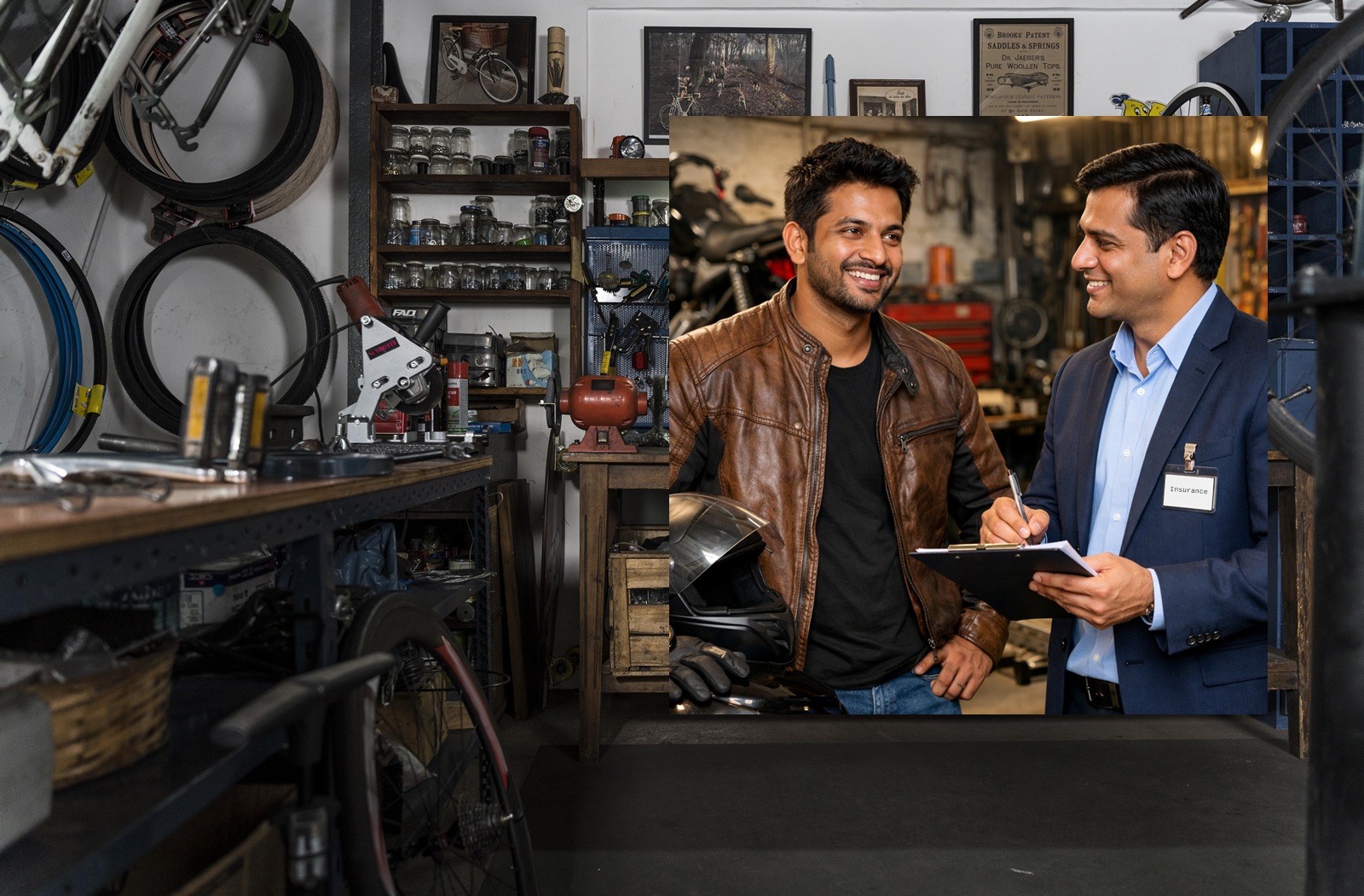
Choosing bike insurance is simpler when you separate legal needs from real risks. This guide explains third-party, own damage and comprehensive policies for Indian riders, what each covers and excludes, and when to prefer them. You will also learn how add-on covers, including zero depreciation, engine protection and roadside assistance, can reduce out-of-pocket costs and streamline repairs during claims effectively.
Bike Insurance Basics
Bike insurance protects two fronts. First, liability towards others when your bike causes injury or property damage. Second, loss or damage to your own vehicle due to accidental impact, theft, fire, flooding, or vandalism as defined in the policy.
Once you see these buckets clearly, you can judge whether the legal minimum is sufficient or whether daily commuting, open parking, and monsoon riding call for wider protection.
Third-Party Cover Explained
Third-party cover is the compulsory minimum for Indian roads. It pays when an accident involving your bike harms another person or damages their property. It does not fund your repair bills, and it does not address theft or weather-driven damage.
That trade-off may suit very light users who are comfortable paying for their own repairs, but regular riders often find the gap noticeable even after a minor fall in slow traffic.
What it Includes
- Legal liability for third-party injury or death
- Damage to third-party property
What it Excludes
- Repair or replacement of your own bike parts
- Loss from theft, fire, flood, or vandalism
Own Damage Cover Explained
Own damage cover protects your bike against specified perils. Typical claims come from collisions, parking knocks, water ingress during monsoon rides, fire, vandalism, or theft. This cover does not replace the legal requirement, so riders usually pair it with a separate third-party policy.
Many choose this route when they already hold third-party and wish to upgrade mid-term without disturbing that arrangement.
Where It Helps
- Open or on-street parking
- High-frequency city riding
- Preference for predictable expenses
Comprehensive Bike Insurance Overview
A comprehensive bike insurance policy combines third-party liability with own damage cover. It suits riders who want broader protection for dense traffic and varied weather. Many plans allow cashless repairs at network garages, subject to tie-ups and terms.
Comprehensive cover is also the base for premium add-ons, including zero depreciation bike insurance, which can reduce depreciation cuts on eligible parts during a claim.
Why Riders Prefer It
- One policy covers liability and your bike
- Easier to tailor with add-on covers
Add-On Covers You Should Consider
Add-ons are optional benefits purchased for an extra premium. Choose selectively to close the gaps that usually appear at claim time.
- Zero depreciation bike insurance: helps reduce depreciation deductions on eligible parts, improving approved amounts for plastics, rubber, and painted panels where allowed
- Engine protection: valuable in waterlogging, as water entry or oil leakage can harm internal components
- Roadside assistance: towing and basic on-the-spot help when stranded away from home
- Consumables cover: includes items such as nuts, bolts, and oils used during authorised repairs
- Return to invoice: for total loss or theft, can bridge the gap between insured value and original invoice value, subject to terms
How the Claim Process Works
Calm, timely steps improve outcomes. Inform the insurer quickly and register the claim through the official channel. Share accurate details, follow guidance on towing or inspection, and move the bike to a network garage if you want cashless repair. For theft or serious third-party incidents, file a police report if required and keep copies.
Submit documents such as RC, driving licence, policy certificate, claim form, estimates, and final bills. Take clear photographs of the damage and the number plate. Keep copies of all bills and messages, and share relevant updates promptly with the garage and the insurer.
How to Choose the Right Cover
Start with usage, parking, and the bike’s age. If legal compliance at the lowest outlay is the only aim, third-party cover satisfies the mandate but leaves your vehicle unprotected. If you already hold third-party insurance and want your own bike secured, add standalone own damage cover.
If you ride daily, face monsoon puddles, or park in public places, comprehensive bike insurance with focused add-on covers usually offers the most balanced blend of certainty and cost.
Conclusion
The best policy is the one that reflects how you ride and where you park. Third-party cover meets the law but does not shield your vehicle. Own damage protects your bike, yet still needs third-party coverage. Comprehensive bike insurance combines both and lets you fine-tune the result with add-on covers like zero depreciation, engine protection, roadside assistance, consumables, and return to invoice.
Align these choices with your routines, and you will pay for protection, not regret. Review exclusions, deductibles, garage access, and claim service before you purchase, and keep digital copies of documents handy for faster support.