


















As India speeds up its shift towards electric mobility, the conversation is rapidly moving away from basic adoption and focusing straight on scale, efficiency, and making vehicles more affordable. Bosch is stepping up to power this next phase by introducing its latest third-generation Silicon Carbide (SiC) semiconductors to the Indian market. These clever new chips are engineered to seriously boost the performance and efficiency of electric vehicles, whilst also giving a massive helping hand to the local mobility ecosystem.
For anyone wondering what makes silicon carbide (SiC) semiconductors so special, they are basically the brain controlling energy flow within an electric vehicle’s power electronics system—specifically inside the inverter. Their main job is to make sure energy travelling from the battery to the electric motor is converted as efficiently as possible.
What Does Gen 3 SiC Technology Mean for the Daily Ride?
With this new generation of power semiconductor technology, Bosch is delivering roughly 20 percent higher performance to support India’s fast-growing EV market. For everyday drivers, this translates directly into tangible benefits that consumers are actively looking for:
- Longer driving ranges without the need to fit bulky, heavier batteries.
- Far better battery utilization and much faster charging times.
- A lower total cost of ownership over the long run.
Sandeep Nelamangala, Joint Managing Director at Bosch Limited and President of Bosch Mobility India, explained that by making high-efficiency power electronics far more accessible, the company is helping to unlock the full potential of the EV market, making clean, efficient mobility a genuine reality for everyone across India.
Global Semiconductor Expertise with a Proven Track Record
Bosch is definitely not new to this game. The tech giant has already delivered more than 60 million SiC chips worldwide, meaning they are bringing tried-and-tested power semiconductor expertise to India’s electrification journey.
To keep this momentum going, the company continues to invest billions of euros into expanding its global semiconductor capabilities. This massive investment ensures high supply resilience, top-tier innovation, and solid future growth. As India pushes forward with its big ambitions for advanced manufacturing, electric mobility, and localization, Bosch is aiming to back its customers and ecosystem partners by blending global semiconductor expertise with local ecosystem development.
Markus Heyn, a member of the Bosch board of Management and chairman of the Bosch Mobility business sector, made their goals very clear:
“Our ambition is clear: we want to be a globally leading manufacturer of SiC chips. With our next generation SiC chips, we are helping our customers put even more powerful and efficient electric vehicles onto the road.”
Clever Miniaturization to Make Mass-Market EVs Affordable
The genius of Bosch’s Gen 3 SiC technology lies in how it handles energy. It allows for much more compact and efficient power electronics designs by massively reducing energy losses and improving thermal performance. Because the chips manage heat so well, it lowers overall system complexity and reduces the need for heavy cooling requirements.
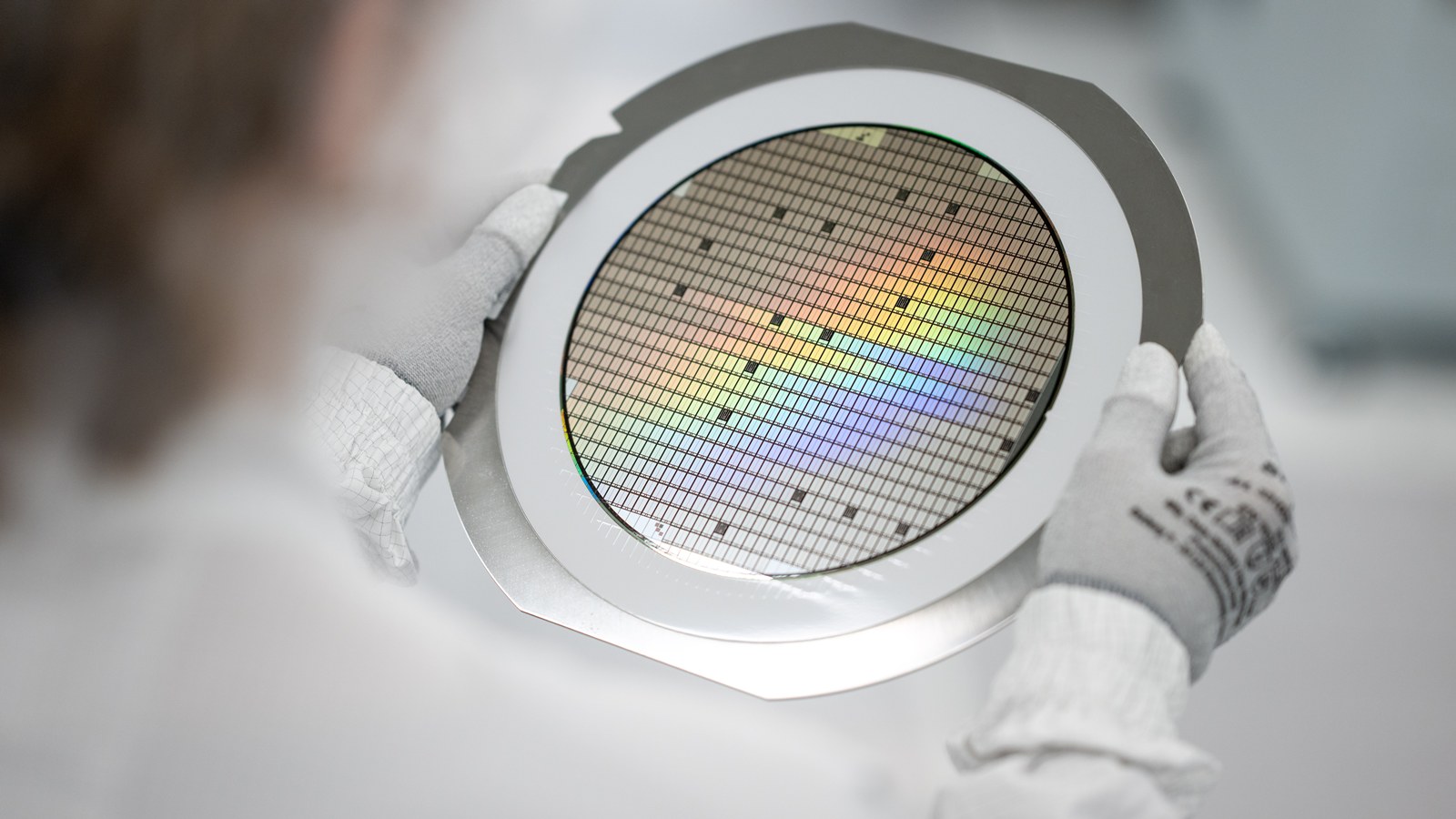
This clever bit of miniaturization is a massive driver for long-term cost efficiency. Shrinking the tech means more individual chips can be produced per wafer, helping Bosch make high-performance electronics way more accessible and cost-effective.
Ultimately, these combined advantages mean advanced power electronics are no longer just for premium, high-end luxury vehicles. Instead, they are completely relevant for mass-market EV segments where efficiency, affordability, and day-to-day reliability are absolutely critical. With this strategic launch, Bosch is bringing advanced semiconductor innovation directly to India’s evolving mobility landscape, perfectly backing the next phase of scalable and sustainable electric mobility.