



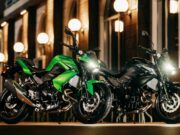
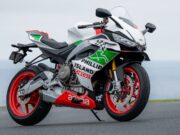
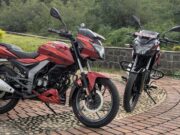

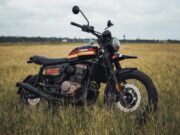



For decades, the global motorcycling narrative was written in three languages: Japanese, German, and Italian. If you wanted reliability, you went to Honda or Yamaha; for engineering precision, BMW; and for soul-stirring motorcycles, Ducati. However, while the Western world was busy watching the “litre-bike” horsepower wars, a quiet but massive shift was occurring in the East.
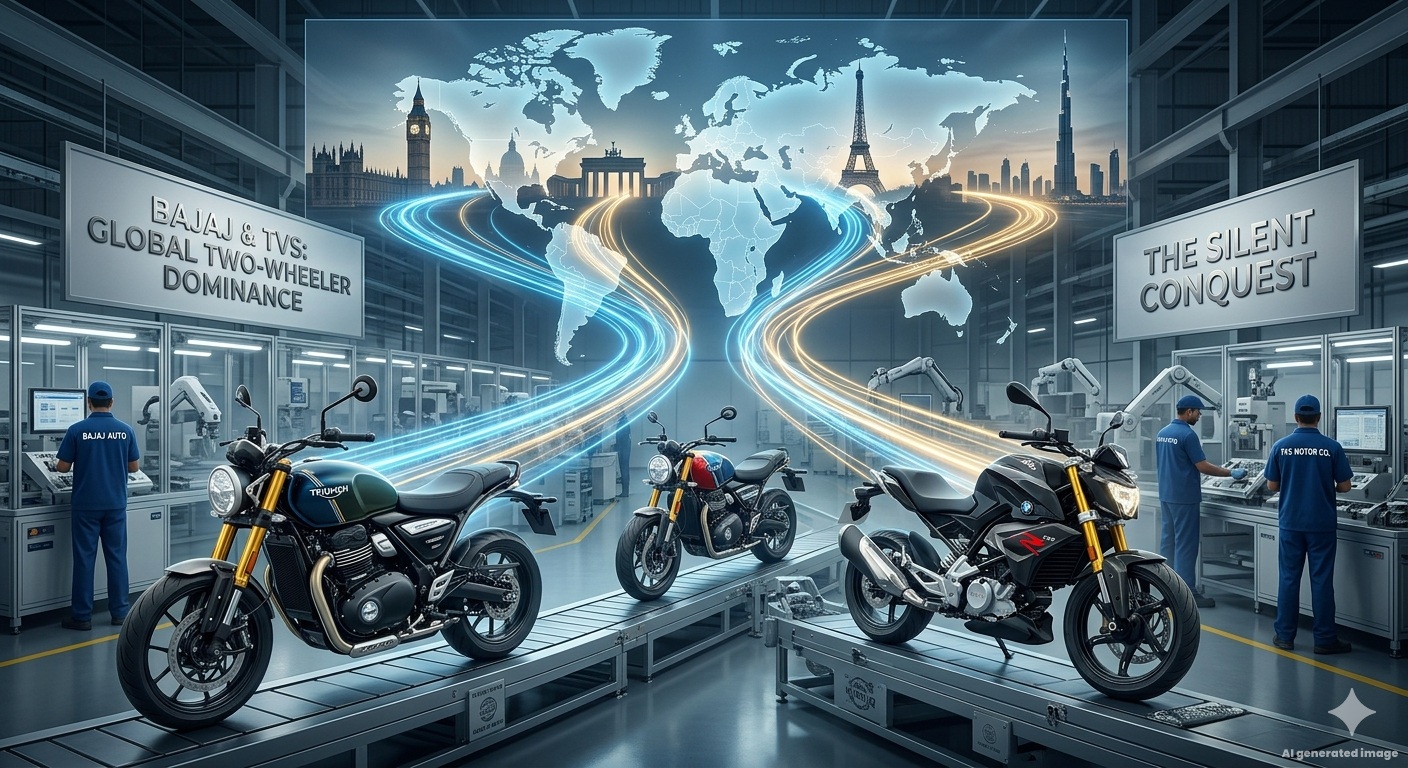
Today, the real powerhouses of the global two-wheeler market aren’t just based in Hamamatsu or Munich—they are headquartered in Pune and Hosur. Bajaj Auto and TVS Motor Company have transitioned from being regional manufacturers to becoming the silent architects of the modern motorcycling era.
The “Trojan Horse” Strategy: Partnerships with Giants
One of the most fascinating aspects of the rise of Bajaj and TVS is how they’ve integrated themselves into the DNA of “heritage” brands. Instead of trying to crush the European competition, they became indispensable to them.
Bajaj and the KTM/Triumph Connection
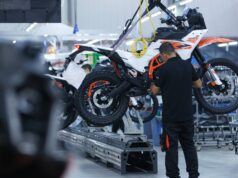
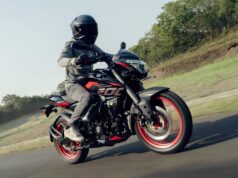
Bajaj’s partnership (now ownership) with KTM is arguably the most successful marriage in motorcycling history. Starting by taking a significant stake in the Austrian firm, Bajaj provided the capital and the cost efficient manufacturing scale that KTM lacked. The result? The Duke and RC series (from 125cc to 390cc) are built in India and exported globally. Every time a rider in London or Los Angeles falls in love with a small-capacity KTM, they are riding a machine birthed in Pune.
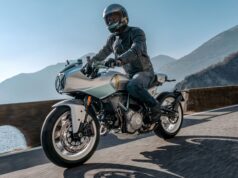
More recently, the Triumph-Bajaj partnership has yielded the Speed 400 and its 5 siblings. These bikes have democratised the Triumph brand, offering “British” prestige at a price point that was previously unthinkable, all while maintaining a level of fit and finish that has stunned Western critics.
TVS and the BMW/Norton Play
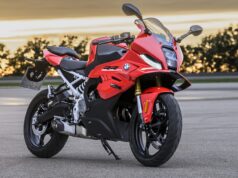
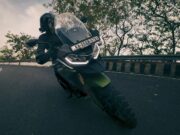
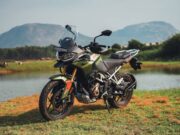
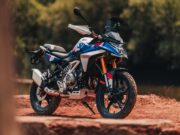
TVS followed a similar, albeit distinct, path. Their collaboration with BMW Motorrad birthed the G 310 series—BMW’s highest-selling entry-level platform. That relationship has now also moved on to the BMW F 450 GS and other motorcycles on that platform. Beyond manufacturing, TVS’s bold acquisition of the legendary British brand Norton Motorcycles showed the world that they weren’t just content being “builders” for others; they wanted a seat at the ultra-premium table.
Mastering the “Middleweight” Transition
The global market is currently experiencing a “downsizing” trend. In Europe and North America, aging demographics and rising living costs are steering new riders away from 200kg, 1,000cc monsters. They want bikes that are light, fuel-efficient, and stylish—the “Middleweight” segment (250cc to 500cc).
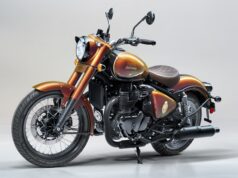
This is the playground Bajaj and TVS have spent decades perfecting. And even with the Government throwing a spanner in the works to disrupt this growth with the weird GST 2.0 rule, these companies have quickly adapted and are moving ahead full throttle. While Japanese manufacturers spent years trying to figure out how to make small bikes profitable, the Indian giants including Royal Enfield, were already producing them by the millions. They’ve mastered the art of the “Global Commuter”—a bike that is rugged enough for the dirt roads of Africa, efficient enough for the crowded streets of Southeast Asia, and sophisticated enough for the cafes of Paris.
Vertical Integration and the EV Frontier
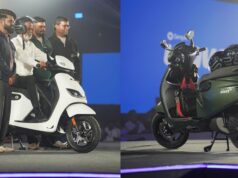
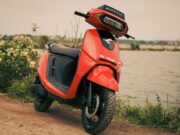
What makes their dominance so difficult to challenge is their vertical integration. As we saw with the recent launch of the Ola S1 X+ and the Royal Enfield Flying Flea C6, the Indian ecosystem is rapidly moving toward self-sufficiency in battery tech and motor development.
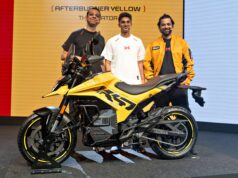
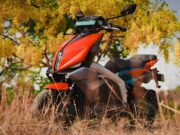
TVS and Bajaj aren’t just following the electric trend; they are funding it. TVS has invested heavily in Ultraviolette Automotive, an EV startup pushing the boundaries of performance, while Bajaj has revived the Chetak brand as a premium electric sub-brand. By controlling the supply chain—from the software to the cells—they are insulating themselves from the volatility that has hampered traditional Western manufacturers. Other manufacturers like Hero have also put their money in start-ups like Ather Energy. Royal Enfield started a an all new vertical for electrics called the Flying Flea. All these two wheelers are now also being exported outside India.
The Ripple Effect: Why Everyone Else is Following
The success of Bajaj and TVS has sent shockwaves through the industry, forcing other global brands to adopt the “Indian Blueprint.” They’ve realised that if you want to survive in the next decade, you need an Indian partner.
- Harley-Davidson & Hero MotoCorp: After struggling to find a footing in India for years, the American icon finally swallowed its pride and partnered with Hero. The result? The X440, a bike that has given Harley its first real volume-seller in the region and a template for low-displacement global bikes.
- QJ Motor & Benelli: Much like the Indian model, Chinese giants like Qianjiang (QJ Motor) have bought or partnered with European brands (Benelli, MV Agusta) to gain design “soul” while providing the manufacturing muscle.
- The Japanese Response: Even the “Big Four”—Honda, Yamaha, Suzuki, and Kawasaki—who once looked down on Indian manufacturing, are now setting up massive export hubs in India. They are increasingly designing bikes in India for the world, rather than the other way around.
The Soft Power of “Made in India”
There was a time when “Made in India” carried a stigma of being “cheap but basic.” That era is officially over. When you look at the switchgear on a new Triumph 400 or the TFT display on a TVS Apache RR 310, the quality often rivals or exceeds that of bikes costing twice as much.
The Indian giants have cracked the code of Value-Per-Pound. They provide lean-sensitive ABS and Traction Control, ride-by-wire throttles, and slipper clutches on bikes that cost less than a second-hand car. This aggressive feature-loading has forced the big international brands to wake up and re-evaluate their entry-level offerings.
The Future is East
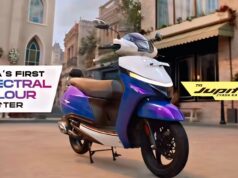
The dominance of Bajaj and TVS isn’t loud. You won’t see them shouting about “Grand Prix” heritage every five minutes and giving MotoGP liveries to 125 cc scooters. Instead, their conquest is measured in shipping containers and market share.
Whether it’s a Bajaj-built Pulsar dominating the streets of Colombia or a TVS-built BMW carving through the Alps, the fingerprints of these two companies are everywhere. They have successfully combined Western branding with Indian manufacturing prowess, creating a hybrid model that is effectively bulletproof.
As we move further into 2026, one thing is clear: the world isn’t just riding more bikes; it’s riding more Indian bikes. And at this rate, the “silent” part of their domination is about to get very loud indeed.