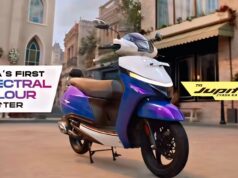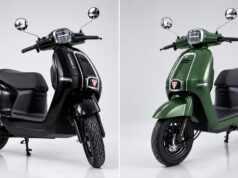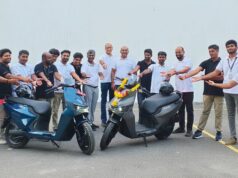












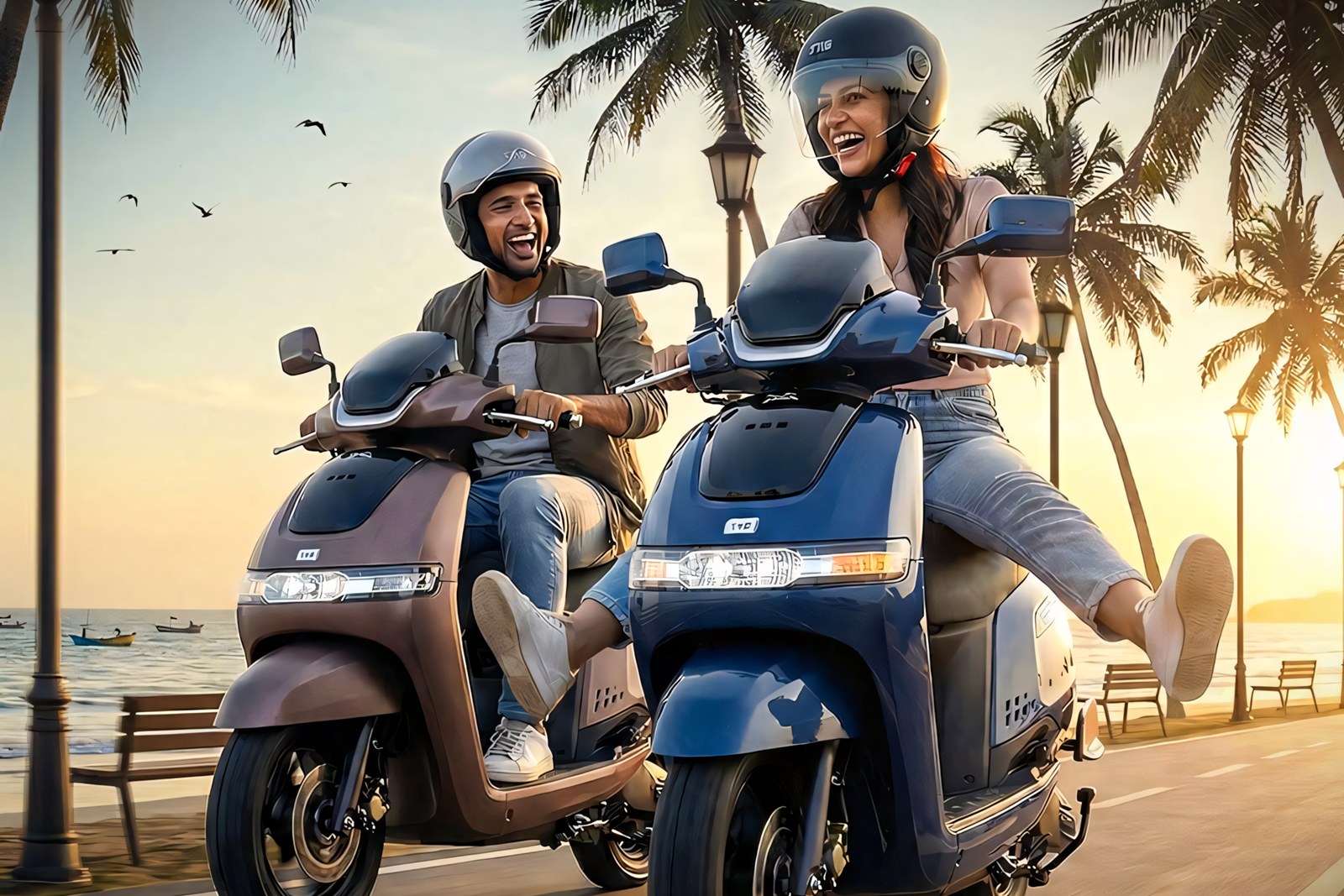
If you’ve been sitting on the fence about switching to an electric bike, you’ve just been handed a four-month lifeline. The Indian government has officially extended the demand subsidies for electric two-wheelers under the PM E-Drive scheme until July 31, 2026.
Originally, the support for e-2Ws was set to hit the brakes on March 31, 2026. However, this new amendment gives buyers and manufacturers a bit more breathing room to take advantage of the INR 10,900 crore outlay before the fiscal taps are turned off for the two-wheeler segment.
The Numbers: A Progressive Shift
The PM E-Drive scheme, which launched in October 2024, has been a massive driver for EV adoption. As of January 27, 2026, the stats are looking pretty impressive:
- Total EVs Sold: 22.12 lakh vehicles.
- Breakdown: This includes 19.19 lakh electric two-wheelers and 2.93 lakh electric three-wheelers.
- Cash Flow: Around INR 1,703 crore has already been reimbursed to OEMs (Original Equipment Manufacturers).
The ultimate goal for the two-wheeler segment is to support 24.79 lakh units. With the extension, the government is clearly pushing to hit that target.
What’s the Catch? (The Subsidy Rates)
It’s worth noting that while the deadline has moved, the incentive itself has been “slimmed down” to encourage the industry to stand on its own two feet.
Effective from April 1, 2025:
- The incentive was halved from INR 5,000 per kWh to INR 2,500 per kWh.
- The maximum cap per vehicle dropped from INR 10,000 to INR 5,000.
- To qualify, the ex-factory price of the electric motorcycle or scooter must still be under INR 1.5 lakh.
The Ministry of Heavy Industries has been clear: this is a fund-limited scheme. If that INR 10,900 crore runs out before July 31, the party is over early.
Charging Ahead: Infrastructure Update
It’s not just about the bikes; it’s about where you plug them in. The PM E-Drive scheme has allocated a whopping INR 7,171 crore specifically for electric buses and charging infrastructure.
The government recently released operational guidelines to set up a massive public charging network, including:
- 22,100 fast chargers for electric four-wheelers.
- 1,800 chargers dedicated to electric buses.
- 48,400 chargers for two- and three-wheelers.
While the charging infrastructure incentives haven’t started being paid out just yet, the framework is now officially in place to reduce “range anxiety” for good.
The Long-Term Outlook
While the two-wheeler subsidy window shuts this July, the support for electric three-wheelers (like e-rickshaws and e-carts) is staying in the fast lane until March 31, 2028.
This progressive scaling back of subsidies for bikes signals a deliberate policy shift. The government wants to move away from “fiscal dependency” and let the EV market thrive on its own merits as technology costs continue to fall.
Are you planning to snap up an electric scooter before the July deadline, or are you waiting for the charging network to expand further?